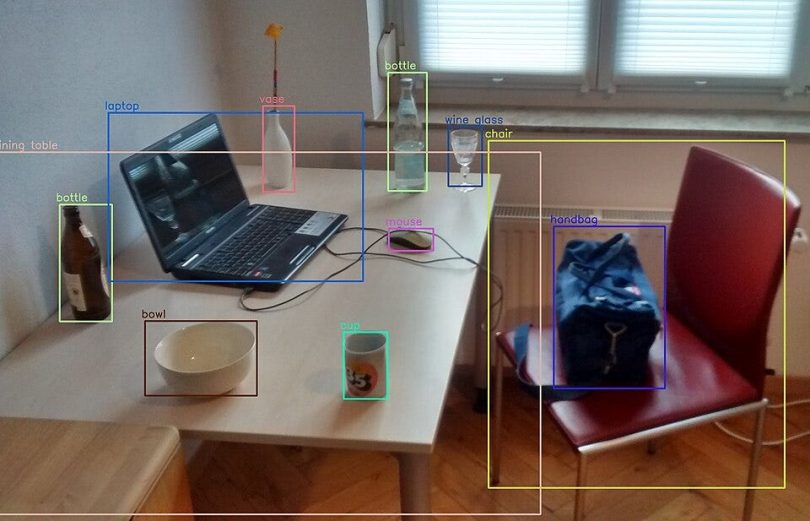

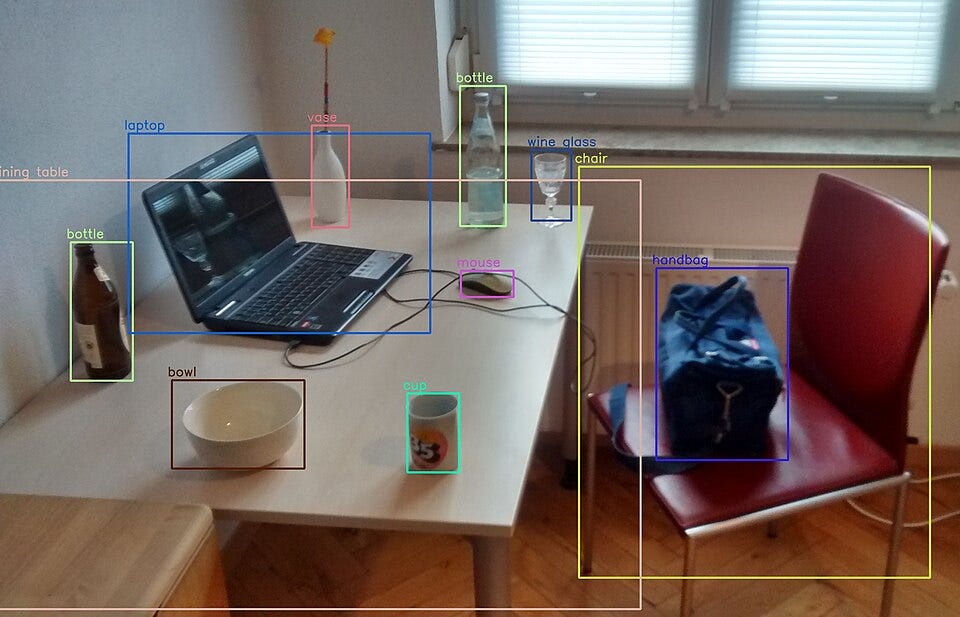
How do apps recognize objects in your photos?
Turns out, there are millions of exploited data labelers from around the world, working around the clock, manually reviewing and categorizing images to train the algorithms behind these apps.
I recently read Code Dependent — Living in the Shadow of AI, where tech journalist Madhumita Murgia follows the daily lives of global citizens impacted by automated technology. Through a collection of investigative stories, the author exposes the dehumanizing working conditions of data workers, the impact of surveillance technology on minority communities, and how workers are at the mercy of algorithms.
This book is a must-read for anyone who wants to learn about the hidden human costs behind AI technology and its negative impact on society. Below are a few excerpts from an in-depth book analysis that can be found here: https://substack.com/home/post/p-172267190
AI is Powered by Exploited Data Workers
“The great false hope of Silicon Valley is automation. But we’re only pretending — it’s actually humans behind it” – Leila Janah
Machine learning algorithms discover patterns from enormous pools of text, images, and video. However, this raw data must first be properly formatted before they are fed into the algorithms. This type of work, known as data labeling, requires human workers to manually annotate and categorize massive amounts of words and images.
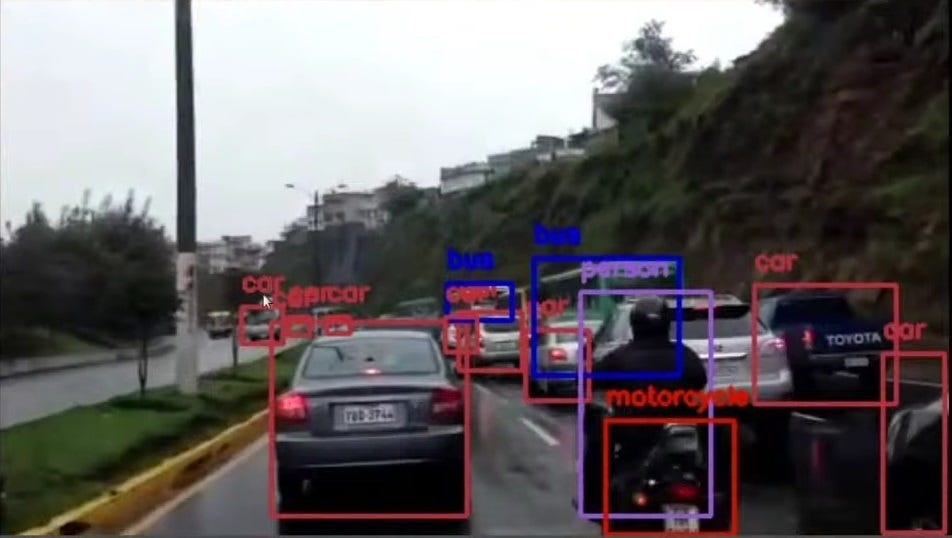
For example, an autonomous driving system ‘learns’ how to drive by analyzing millions of annotated photos of real city streets. Data workers prepare this ‘training data’ by manually drawing boxes around objects in those photos: traffic lights, crosswalks, streetlamps, stop signs, pedestrians. This process is repeated for millions of images and then fed to machine learning algorithms.
To meet these massive data requirements, tech companies outsource data work to poor countries, where they can extract cheap labor. Although remote data work seems like a godsend opportunity for poor communities, the power imbalance allows tech companies to exploit vulnerable populations in several ways.

No worker unions exist, the inequitable pay does not cover cost of living, and workers can be terminated without explanation. In some centers, breaks were forbidden, except for timed bathroom and lunch breaks. Daniel, a data worker in Kenya told the author, ‘When you are poor and hungry you basically don’t have a choice, and you don’t have a voice if you are exploited.’
The data workers are also completely disconnected from the process and do not directly benefit from their own work. They are hired by third party vendors and unaware their work will be used to train AI systems for Meta and OpenAI. Mercy Mutemi, a Kenyan lawyer, compared data workers of the tech industry to the sweatshop workers of the fashion industry, ‘It’s the story of Louis Vuitton. The factory worker just thinks, all I’m making is a shoe. They don’t know their shoe is being sold for $3,000 in some store. This is the exact same thing.’
AI Can Dehumanize Workers
Gig economy drivers depend on algorithms to receive delivery orders and passengers. However, the apps do not disclose how payments are calculated, leading to algorithmic wage discrimination, a phenomenon that occurs when two drivers receive inequal pay for similar jobs. Without wage transparency, worker unions, and human oversight, gig economy workers are powerless to an AI boss.
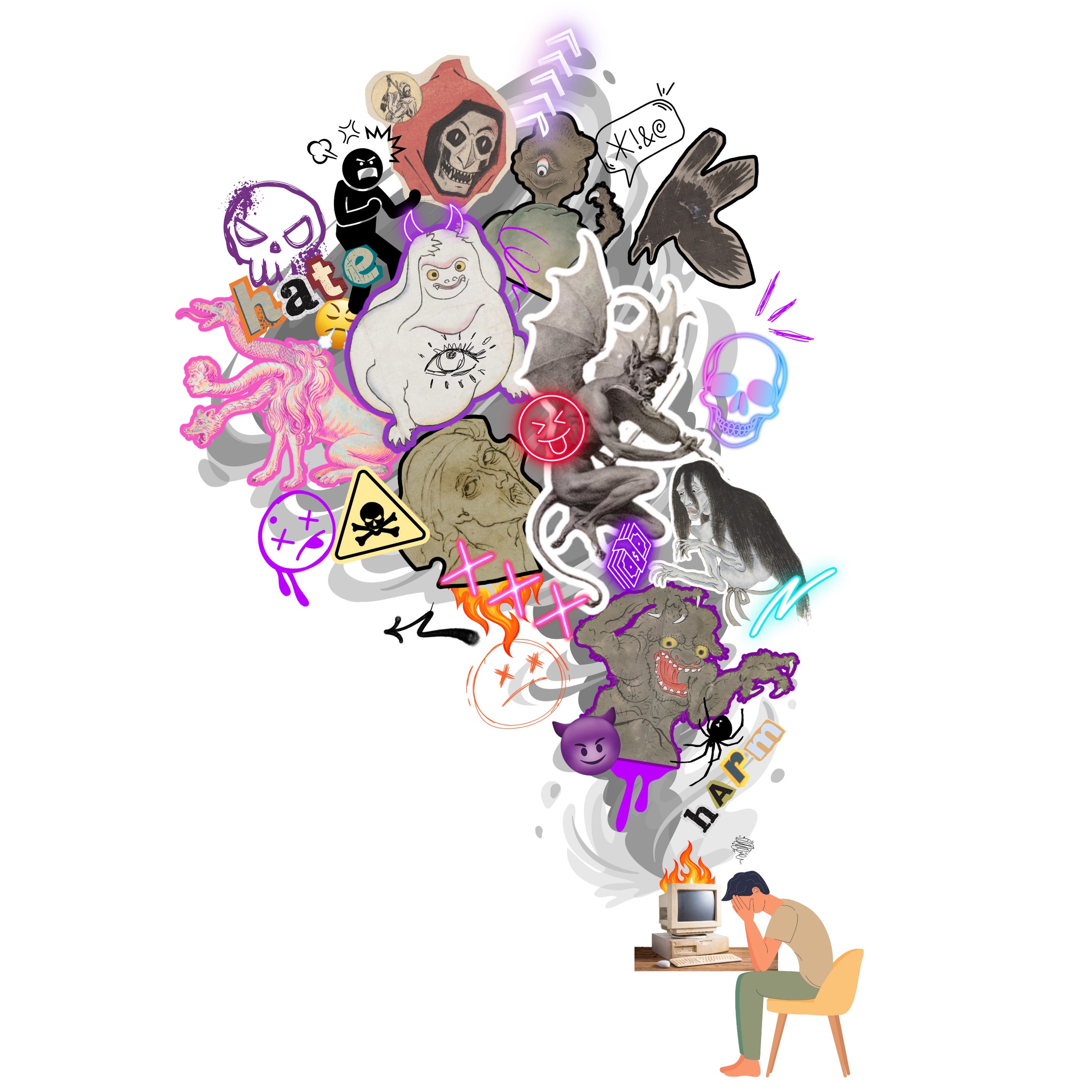
As mentioned previously, data workers are subjected to massive amounts of data—including explicit material. These low-wage workers must examine and catalog images of horrific content including beheadings, shootings, child abuse, and sexual violence.
These horrific working conditions are hidden in secrecy, due to non-disclosure agreements that forbid workers from discussing these matters with lawyers. Some data workers are even forced to sign contracts that do not hold companies responsible for PTSD or other mental health issues.
Further Reading
The book dives into many other fascinating topics including stories of how an AI system can easily mistaken tuberculosis for Covid. Therefore, human judgement is always necessary to examine details and understand context.
In another story, the Argentinian government deployed an AI powered teen pregnancy prevention program, which was in reality, a program to control and monitor the indigenous population.
The bold claims, government initiatives and gaps between expectation versus reality found in these stories parallel with many of the cases you hear about in the current news cycle. Read the complete original break down here on my substack: https://substack.com/home/post/p-172267190